
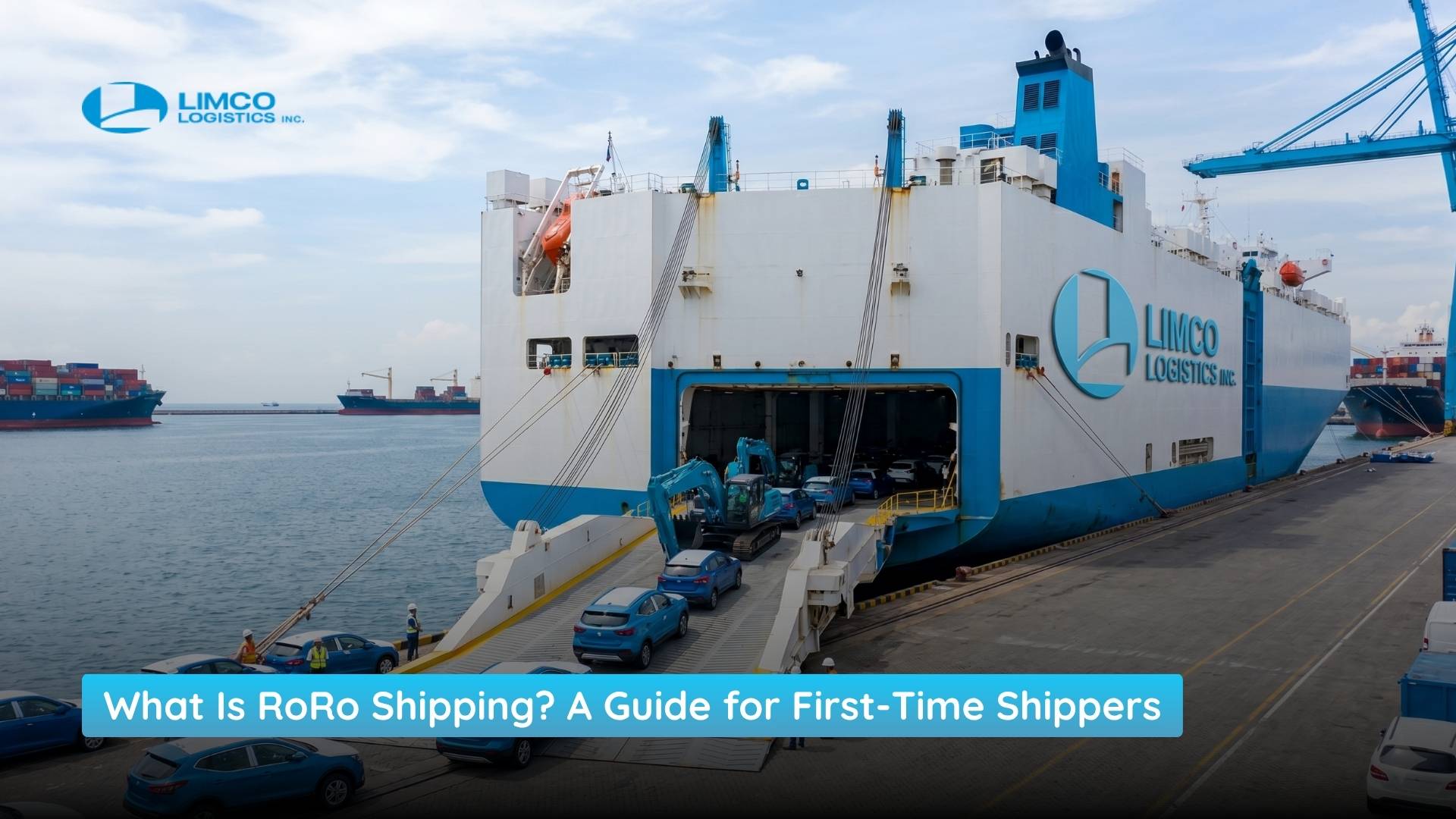
“The world is moving, and so are its goods!” If you're new to the world of shipping, you might be wondering about the term, what is RoRo shipping? Don’t worry, it’s simpler than it sounds!
What Is RoRo Shipping? A Guide for First-Time Shippers
RoRo stands for Roll-on/Roll-off. It is a specialized maritime freight method designed specifically for wheeled cargo. Unlike traditional container shipping, where items are lifted by cranes, RoRo vessels allow cargo to be driven directly onto and off the ship using built-in ramps. It's one of the easiest ways to move vehicles across oceans!
This method is quite efficient because it eliminates the need for cranes to load and unload cargo. Instead, the vehicles are simply driven in and out. RoRo ships are designed specifically for this type of transportation and are like floating parking garages with plenty of ramps.
The Mechanics of Roll-on/Roll-off Transport
To understand why this method is preferred for vehicles, it helps to look at the vessel design. Commercial RoRo ships function like massive floating parking garages. They feature heavy-duty stern and side ramps.
When your cargo arrives at the port, trained stevedores drive or tow the equipment up the ramp and into fully enclosed, weatherproof decks. Once parked, the cargo is secured to the deck using heavy-duty lashing straps and ratchets. This securement prevents shifting during ocean transit. This process completely bypasses the need for Lift-on/Lift-off (LoLo) crane operations.
Why Choose RoRo Shipping?
For first-time shippers, RoRo shipping can be a great option if you need to ship a vehicle or large machinery. It's cost-effective, safe, and faster than other methods like container shipping, where vehicles are loaded into a container and lifted off using cranes. With RoRo, vehicles are kept secure while traveling, and the process is straightforward for both the shipper and receiver.
The key advantage? You don’t have to worry about packaging your vehicle or paying for additional loading fees, like in traditional container shipping.
What Types of Cargo Are Shipped via RoRo?
While commonly associated with standard car shipping, RoRo vessels have high clearance and reinforced decks to accommodate a massive variety of industrial and commercial assets.
- Passenger Vehicles: Sedans, SUVs, motorcycles, and luxury cars.
- Commercial Fleets: Transport vans, buses, and utility trucks.
- Heavy Machinery: Excavators, bulldozers, and mining equipment.
- Agricultural Equipment: Tractors, harvesters, and balers.
- Static Cargo: Non-motorized freight can also be shipped via RoRo if it is loaded onto specialized wheeled platforms known as MAFI trailers.
How Long Does It Take to Unload a RoRo Ship?
You may wonder, how long does it take to unload a RoRo ship? The answer depends on several factors, like the number of vehicles on the ship, the size of the port, and the equipment used to offload the cargo. However, typically, unloading a RoRo ship is much quicker than other shipping methods. With vehicles rolling off the ship directly, it can take anywhere from a few hours to a day to fully unload the cargo.
The process is so efficient that once the ship arrives, vehicles are ready to be driven off almost immediately. This fast turnaround is a big reason why RoRo shipping is preferred for moving cars and heavy machinery.
Is RoRo Shipping Safe?
Absolutely! RoRo shipping is known for being a safe way to transport vehicles. Ships are specially designed with safety features like ramps, secure tie-down points, and spacious decks to ensure the cargo stays in place during the voyage. Plus, because vehicles are driven on and off, there’s minimal risk of damage.
Tips for First-Time Shippers
- Do your research: Make sure you know all the shipping requirements for your vehicle or equipment.
- Check the shipping schedule: RoRo shipping operates on set schedules, so it’s important to plan ahead.
- Inspect your vehicle: Before shipping, check your vehicle for damages to ensure it arrives in the same condition.
- Be clear about your destination: Confirm the unloading ports beforehand to avoid confusion.
The Strategic Advantages of RoRo Shipping
For first-time shippers, deciding between container transport and RoRo is a major step. RoRo offers several distinct operational benefits.
Highly Cost-Effective
RoRo is typically the most economical way to ship operational vehicles. It eliminates the labor and material costs required to pack, block, and brace a vehicle inside a standard 20-foot or 40-foot shipping container.
Reduced Handling Risk
Because the cargo is simply driven into position, there is no mid-air suspension via gantry cranes. This drastically reduces the risk of structural damage or accidental drops during the loading phase.
Faster Port Turnarounds
The continuous flow of driving vehicles on and off the vessel makes the loading and discharge processes highly efficient. Unloading a standard commercial RoRo vessel typically takes between 12 to 24 hours, meaning your cargo clears the port and becomes ready for inland transport much faster.
Frequently Asked Questions
1. What is the difference between RoRo and container shipping?
The primary difference is the loading method. In RoRo (Roll-on/Roll-off) shipping, vehicles are driven directly onto the vessel's deck using built-in ramps. In container shipping, vehicles are secured inside enclosed 20-foot or 40-foot metal containers and lifted onto the ship using overhead gantry cranes (LoLo).
2. Is RoRo shipping cheaper than container shipping?
Yes, RoRo shipping is generally the most cost-effective method for transporting operational vehicles. It is cheaper because it eliminates the additional labor, crating materials, and terminal handling fees required to block and brace a vehicle securely inside a standard shipping container.
3. Can I pack personal items in my car during RoRo shipping?
No, you cannot pack personal belongings inside your vehicle during RoRo transport. Maritime regulations dictate that RoRo carriers are strictly licensed to transport the vehicle itself. To pass port inspections, the cabin and trunk must be completely empty, and fuel tanks must be reduced to one-quarter full.
4. How long does it take to unload a RoRo vessel?
Discharging a commercial RoRo vessel is highly efficient and typically takes between 12 to 24 hours. Because the cargo is continuously driven down the stern ramp by port stevedores, the port turnaround time is significantly faster than unloading a traditional container ship.
5. How do you ship non-motorized heavy equipment on a RoRo ship?
Non-motorized or static project cargo can be shipped via RoRo using specialized equipment called MAFI trailers. These are heavy-duty, wheeled platforms. The static cargo is secured to the trailer, which is then towed up the vessel's ramp and parked securely on the enclosed cargo deck.
End Summary
RoRo shipping is a fast, safe, and easy way to move vehicles across oceans, making it perfect for first-time shippers. If you’re wondering,how long does it take to unload a RoRo ship? It’s quick! Thanks to the easy roll-on, roll-off method, it only takes a few hours for your cargo to be ready to go. With Limco Logistics, you’re not just shipping stuff, but you’re getting a service you can count on, with you in control every step of the way.
Partner with Limco Logistics for International RoRo Transport
Coordinating international freight for the first time involves complex customs regulations, port documentation, and strict maritime compliance. Limco Logistics operates as a fully licensed international freight forwarder, specializing in secure Roll-on/Roll-off (RoRo) shipping solutions for global supply chains. Whether you are exporting a single passenger vehicle or an entire fleet of heavy machinery, our logistics network provides end-to-end transit management.
